
Dietitian Natasha Mohan is one of the most influential and renowned nutritionist and dietitian, with over 3 Million Followers on YouTube and 200+ Million Views and with 10+ Years of Experience. Dietitian Natasha Mohan is a transformation expert, Motivational Speaker and Lifestyle Expert. She has touched million of lives. She specializes in Therapeutic Diets Like, PCOS/PCOD, Thyroid, Diabetes, Cholesterol, Blood pressure, and other lifestyle disorder.
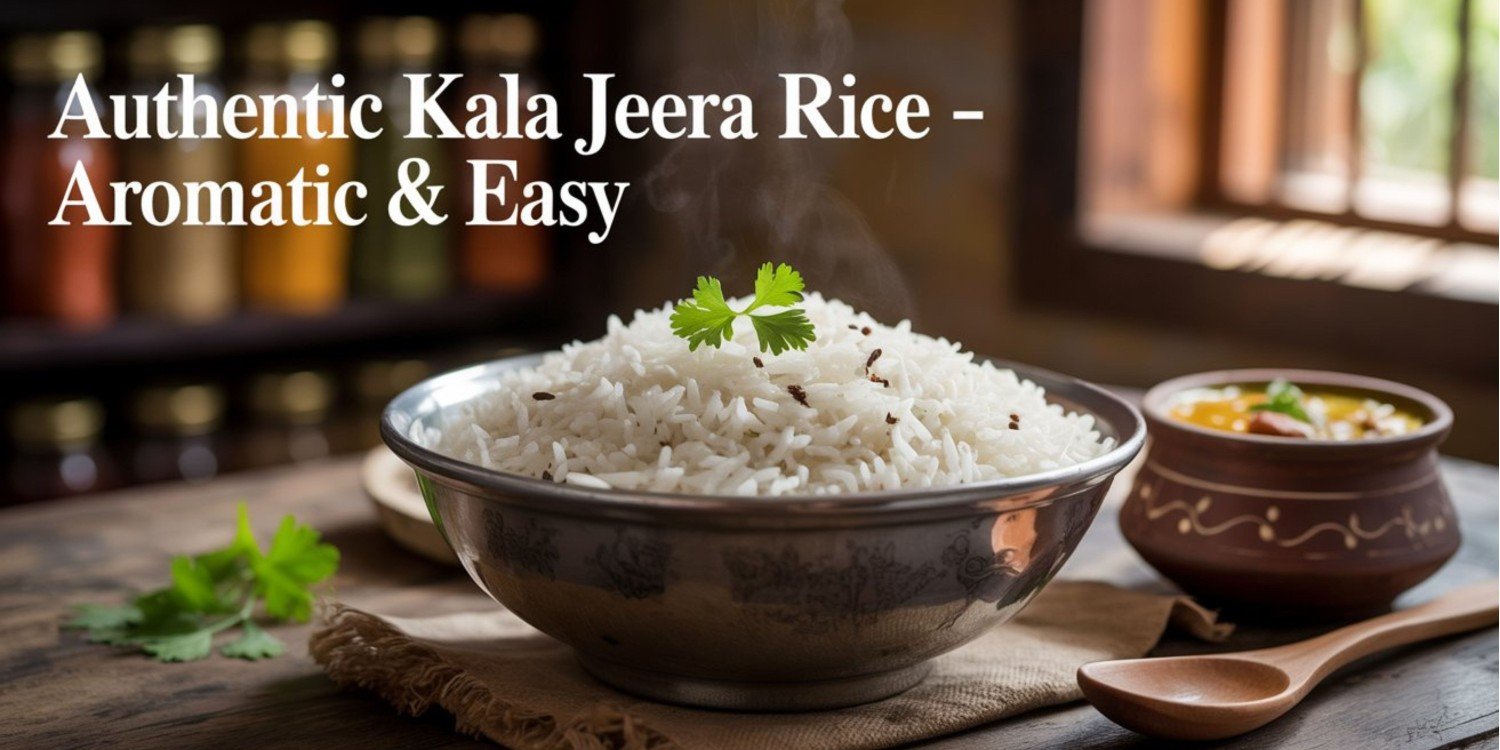
If you’re searching for a truly flavorful and fragrant dish to elevate your meals, this Kala Jeera Rice Recipe is exactly what you need. Known for its subtle aroma, delicate texture, and slightly nutty flavor, Kala Jeera (also called black cumin rice or baby basmati) is a heritage variety from India that has been a staple in traditional kitchens for centuries.
Kala Jeera rice, also known as “Kali Jeera” or “Baby Basmati,” is a premium aromatic rice variety that originates from the eastern parts of India, especially Odisha and Chhattisgarh. It’s shorter than regular Basmati but equally fragrant, and often considered more digestible due to its lighter texture. Rich in antioxidants and easy to cook, it’s perfect for special occasions or everyday meals.
To prepare this aromatic dish, you will need:
1 cup Kala Jeera rice (rinsed and soaked for 30 minutes)
2 tablespoons ghee or clarified butter
1 bay leaf
2-3 cloves
2 green cardamoms
1 small cinnamon stick
1 tsp cumin seeds (optional)
2 cups water
Salt to taste
1. Soak the Rice
Soaking the rice for at least 30 minutes ensures that it cooks evenly and maintains its fluffiness.
2. Heat the Ghee
In a deep pan or pressure cooker, heat the ghee on medium flame. Add bay leaf, cloves, cinnamon, and cardamoms. Let the spices crackle to release their aroma.
3. Sauté the Rice
Drain the soaked rice and add it to the pan. Stir gently for 2–3 minutes, allowing each grain to get coated with the ghee and spices. This step enhances the richness of the Kala Jeera Rice Recipe.
4. Add Water and Cook
Pour in 2 cups of water and add salt as per taste. Bring it to a boil. Cover with a lid, reduce the heat to low, and simmer for 10–12 minutes, or until the rice is fully cooked and the water is absorbed.
5. Let it Rest
Turn off the flame and let the rice rest for 5 minutes with the lid closed. This step ensures that all the flavors are absorbed well.
6. Fluff and Serve
Gently fluff the rice with a fork. Your authentic Kala Jeera Rice Recipe is now ready to be served!
Serve with dal (lentils), vegetable curry, or chicken korma.
It pairs beautifully with rich gravies due to its light and aromatic base.
For festive meals, you can garnish it with fried onions, raisins, and roasted cashews.
Low Glycemic Index: Good for people managing diabetes.
Rich in Antioxidants: Supports immune health.
Easily Digestible: Great for all age groups.
No Polishing: Retains its natural nutrients and aroma.
Use ghee for a richer flavor instead of oil.
Always soak the rice beforehand for better texture.
Avoid over-stirring once water is added, to prevent the grains from breaking.
You can add a few saffron strands or mint leaves for a unique twist.
An Authentic Kala Jeera Rice Recipe isn’t just a meal—it’s a wholesome, flavorful experience that connects you to India’s rich culinary heritage. With minimal ingredients and simple steps, this dish brings out the best in aromatic rice cooking. Whether you’re making a weekday dinner or preparing for a special gathering, this Kala Jeera Rice Recipe will always impress with its rich taste and fragrant aroma. For a complete and satisfying Indian meal, pair it with a classic Bhindi Masala Recipe to elevate your dining experience.
Kala Jeera rice is shorter, more delicate, and has a unique earthy aroma compared to the longer and slightly stronger-flavored Basmati rice.
Yes, just use the same water-to-rice ratio (2:1) and follow your rice cooker’s instructions. The results are soft and aromatic.
Absolutely! It’s rich in antioxidants, easily digestible, and has a low glycemic index, making it a healthy choice.
Definitely! Just add sautéed vegetables, paneer, or meat, and follow the same cooking steps for a delicious pulao.
You can find it in organic food stores, specialty Indian groceries, or online marketplaces.